Who we are
We're a dynamic research team dedicated to understanding how the interplay between the nervous and immune systems, and particularly the role of metabolism, contributes to chronic brain diseases. We're just beginning, but we're driven to make a real difference for patients.
Our cutting-edge research focuses on:
Identifying metabolic changes in immune cells linked to diseases like multiple sclerosis.
Unraveling how these changes drive brain degeneration.
Developing strategies to modify metabolic pathways, reducing damage, and promoting repair.
Join us as we explore the complexities of neuroimmunometabolism and pioneer new treatments for brain disorders.

Current Lab Members

Luca Peruzzotti-Jametti
PI - Email
Luca is a Group Leader at the Cambridge Centre for Myelin Repair (CCMR) and the Department of Clinical Neurosciences at the University of Cambridge, as well as an Honorary Neurology Consultant at Addenbrooke's Hospital.
He obtained his MD from the University Vita-Salute San Raffaele of Milan and a PhD in Clinical Neurosciences from the University of Cambridge. He later progressed to a post-doctoral position at Cambridge before becoming a Group Leader.
Over the past decade, Luca has made significant contributions to understanding the pathobiology of inflammation in central nervous system diseases. He has received numerous awards, including the 2018 CSAR PhD Student Award, the 2018 Italian Embassy Italy Made Me Award, and the 2022 Rita Levi Montalcini award for Multiple Sclerosis research.
Read his latest interviews with MS Perspektive, Avvenire, and INNLIFES

Xisha Huang
PhD Candidate - Email
Xisha has a great passion for translational medicine. She graduated from the toplist of materials science engineering in Nanyang Technological University in Singapore studying different drug delivery platforms. She then pursued a dual master’s degree in Materials Science and Chemical and Biomolecular Engineering at the University of Pennsylvania, where she contributed to the development of cutting-edge tools such as bi-specific T-cell engagers for T-cell immunotherapy. Following her master’s studies, Xisha joined the Massachusetts Institute of Technology (MIT) as a research assistant, where she delved into the realm of gene editing and the optimization of organ-targeting mRNA lipid nanoparticles.
Currently, Xisha focuses her research on the role of lipid metabolism in microglia focusing on MS severity and pathophysiology.

Monica Emili Garcia-Segura
PhD Student - Email
Monica's impressive academic record includes a Neuroscience degree with High Distinction from the University of Toronto and a distinguished MRes in Experimental Neuroscience from ICL, where she has focused on understanding the molecular underpinnings of neurodegenerative diseases, first by mapping the metabolic consequences of Alzheimer’s Disease and then by investigating genetic mutations in Multiple System Atrophy.
Currently pursuing her PhD, Monica is funded by the MRC-DTP and the Cambridge Trust. Her work in our lab centers on elucidating the role of small metabolites and lipids in human chronic CNS inflammation, a critical step towards developing new therapeutic strategies.

Evridiki Asimakidou
PhD Student - Email
Evridiki's passion for neuroscience led her to excel in her medical studies, graduating at the top of her class at Aristotle University of Thessaloniki. She deepened her knowledge with a Master's in Medical Research from Uppsala University, where she conducted groundbreaking research on the interplay between the immune system and cancer at Northwestern University.
Currently, Evridiki is a PhD student supported by the Cambridge Trust and Newnham College Scholarship. Her research investigates the intricate connection between microglial metabolism and cognitive decline in the context of chronic neuroinflammation, with the potential to impact our understanding and treatment of neurodegenerative diseases.
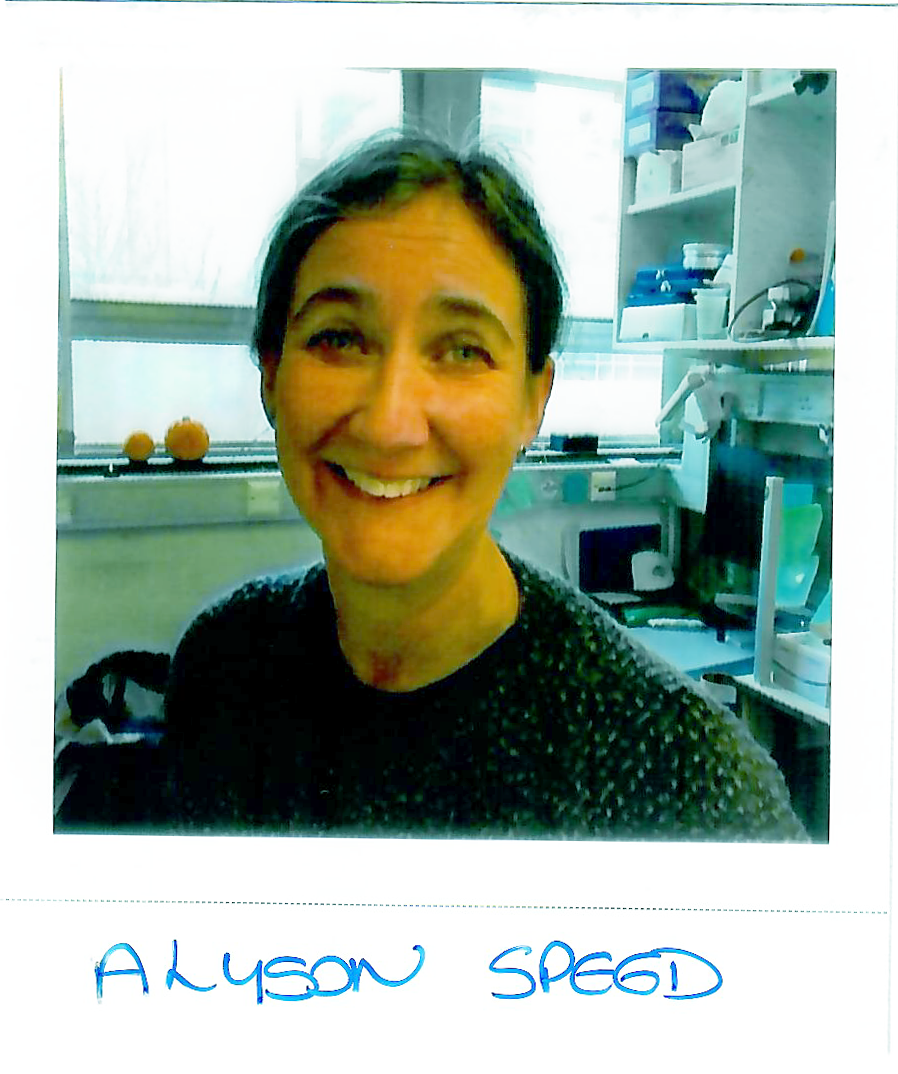
Alyson Speed
Lab Tech - Email
Alyson has been an invaluable member of the University research community since 1992. Her dedication to research led her to explore various departments, expanding her skillset while contributing to diverse research programs.
After a brief time away, Alyson returned to the University in 2014, where she provided vital technical support to the research groups of Ashok Ventikarman, Christian Frezza, Sakari Vanharata, and Carla Martin, focusing on critical projects in lung, pancreatic, and metastatic cancers.
We're pleased to have Alyson as a member of the LPJ Lab, where she plays a key role in supporting our research endeavors.
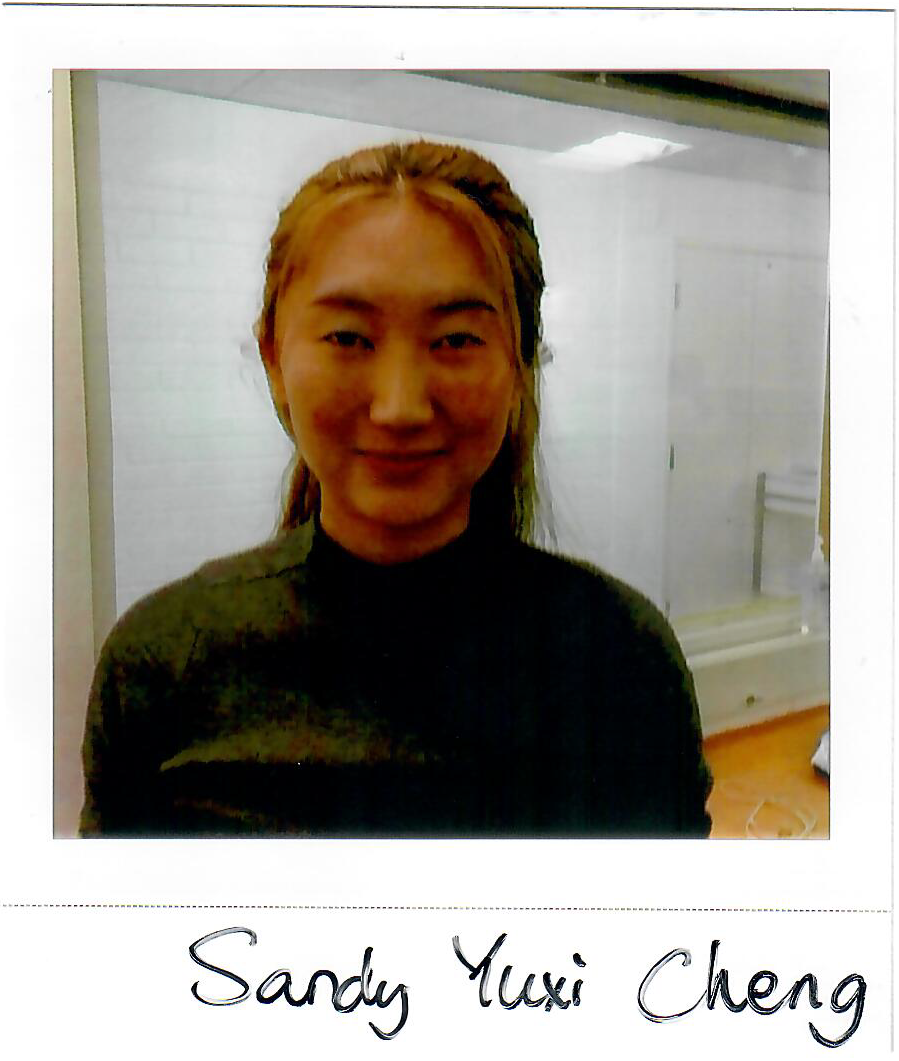
Sandy Yuxi Cheng
MPhil Student - Email
Sandy completed her Bachelor’s degree in Biomedical Sciences from the University of Edinburgh, where she conducted behavioural neuroscience research at the Centre for Clinical Brain Sciences, focusing on cognitive decline and amyloid pathology in Alzheimer’s disease models.
She later pursued her Master’s degree in Bioengineering at the University of Pennsylvania. During her time in Penn’s Department of Neurosurgery, she investigated interneuron and pyramidal cell activity following traumatic brain injury, employing machine learning–based analytical approaches to characterize circuit-level dysfunction.
Her current research focuses on dysregulated lipid metabolism in multiple sclerosis and the interactions between neurons and microglia that contribute to disease pathology.
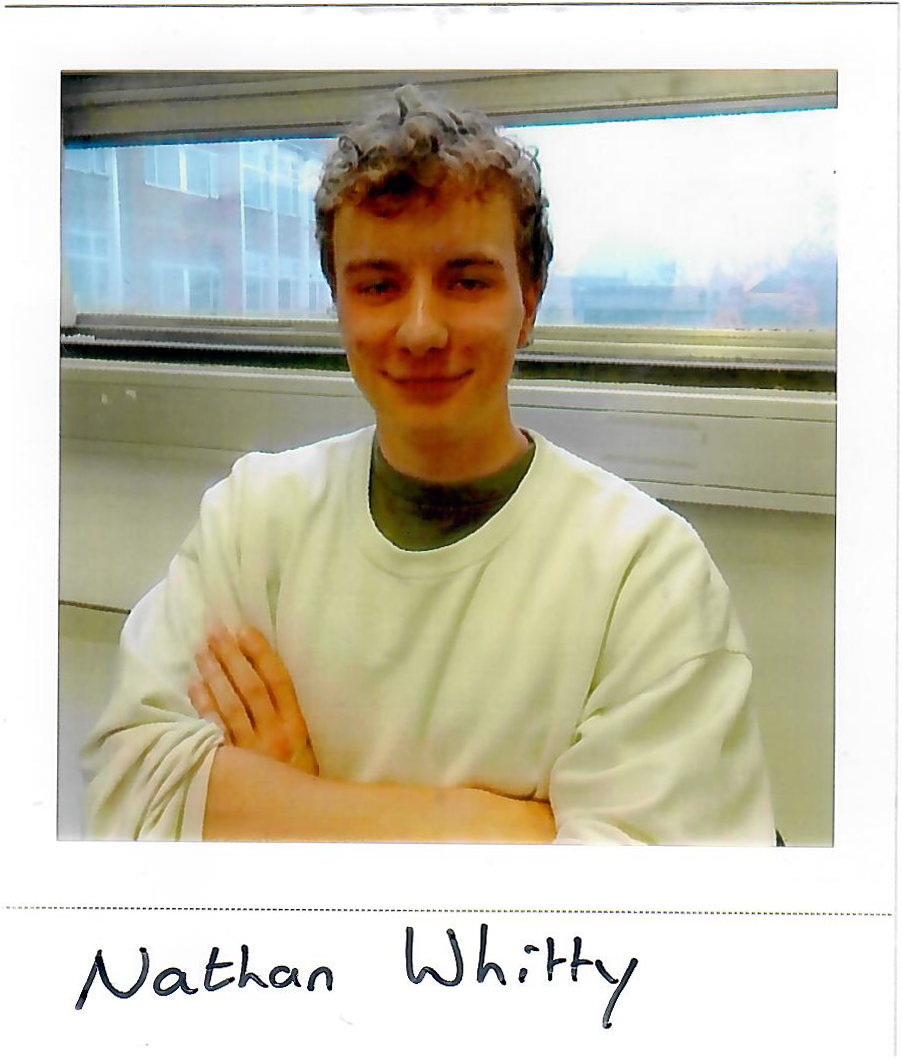
Nathan Whitty
PhD Student - Email
Nathan is a PhD candidate at the University of Cambridge funded by the Medical Research Council. He previously achieved a first-class honours Integrated Master’s in Biomedical Science from the University of Warwick, where he received an Academic Excellence Award for his research performance.
During a year-long industrial placement at GSK, Nathan worked within the B cell Immunology team to investigate molecular mechanisms and transcriptomic signatures of pathological B-cell subsets in autoimmune diseases. His prior research at the University of Warwick involved characterizing neuroendocrine neurons in the hypothalamus using immunohistostaining and RNA in situ hybridization, as well as developing optogenetic tools for the regulation of immune checkpoints in T-lymphocytes.
His current research focuses on the metabolic underpinnings of inflammation, employing advanced imaging tools to investigate molecular measurements of cellular dysfunction within the CNS.

Rafael Kollyfas
Bioinformatics - Email
Rafael is currently pursuing a DPhil in Engineering Science at the University of Oxford, specializing in the integration of deep learning with spatial transcriptomics for neuroscience applications. With degrees from Cambridge, St Andrews, and Newcastle, he previously developed open-source packages like Flufftail while working as a Bioinformatics Research Assistant under the supervision of Irina Mohorianu, focusing on next-generation omics analysis and reproducibility.
He has joined the LPJLab to apply his computational expertise to neuro-immune interactions and neurodegenerative disease mechanisms.
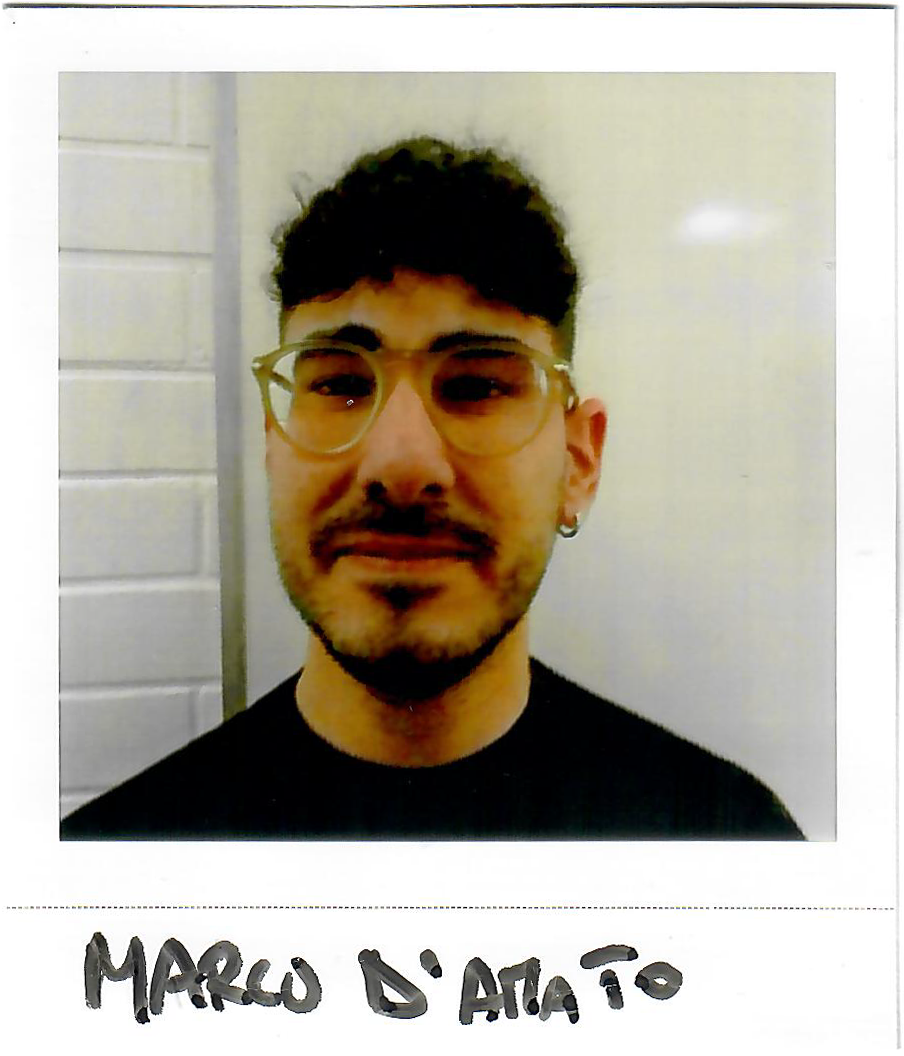
Marco D’Amato
Visiting PhD student - Email
Marco D’Amato is a neuroscientist trained at the University of Pavia, where he obtained his degree in Neurobiology. His research focuses on mitochondrial transplantation as a therapeutic strategy for mitochondrial diseases at the IRCCS Istituto Neurologico Carlo Besta in Milan with Prof. Valeria Tiranti.
He is currently pursuing a PhD in Chemical Materials Engineering at the Politecnico di Milano, where he develops advanced material-based approaches to encapsulate isolated mitochondria in order to enhance their stability and cellular delivery (under the supervision of Prof. Pierangelo Metrangolo).
His work bridges mitochondrial biology and nanomaterials, aiming to translate mitochondrial therapies into effective and controllable biomedical applications.
Alumni
-
Ishan is a medical student who joined the LPJ Lab for a two-month summer internship in 2025 to deepen his understanding of neuroinflammation and microglial biology. Under the supervision of Evridiki, he assisted in a project investigating the role of microglial metabolism in cognitive impairment in multiple sclerosis.
-
Maria obtained her Double Bachelor’s Degree in Biotechnology and Molecular Biology and Biochemistry from Rovira i Virgili University (Spain) with High Distinction in 2020. Driven by a deep interest in understanding metabolic disorders, she pursued a Master’s in Nutrition and Metabolism where she focused on studying the role of the succinate/SUCNR1 axis in pancreatic β-cells within a diabetic context. In 2021, Maria began her PhD studies in Dr. Fernández-Veledo’s Lab under a collaborative project, concentrating on the potential role of the succinate/SUCNR1 axis in microglia cells and its impact on the regulation of peripheral metabolism in both physiological and pathological contexts.
Maria visited our lab to further explore the complex interactions between microglia and neurons under both physiological and diet-induced obesity conditions.
-
Olena joined us as a Research Laboratory Technician from 2023 until 2025, bringing her valuable knowledge and enthusiasm to our research endeavors. Her expertise in biochemistry and animal handling, coupled with her meticulous laboratory skills, was an invaluable asset to the team.
-
Sinéad joined us in summer 2025 while completing her undergraduate degree in Biomedical Science at the University of Plymouth, to learn new approaches to study immunometabolism. Her work involved histopathological analysis of mouse brain samples and whole-brain analysis using computational tools.
-
During her 10 months internship in the LPJ Lab (2025-2026), Maria Sole has been an integral member of our research team, demonstrating high level of academic excellence and committment. Her work tackled the complex role of microglial lipid metabolism, investigating how these processes contribute to the smouldering inflammation that drives disease progression in multiple sclerosis. This period has allowed her to transition from theoretical biotechnology to sophisticated, hands-on neuroscientific inquiry, where she has shown remarkable aptitude for experimental design and data interpretation. Her contributions have been so significant and her potential so evident that she subsequently secured PhD offers from both the University of Cambridge and the University of Oxford.

Collaborators
UK:
Joanne Jones - University of Cambridge (Clin. Neurosc.)
Ragnhildur Thora Karadottir - University of Cambridge (CCMR/SCI)
Andras Lakatos - University of Cambridge (Clin. Neurosc.)
Maura Malpetti - University of Cambridge (Clin. Neurosc.)
James Manton - University of Cambridge (LMB)
Irina Mohorianu - University of Cambridge (SCI)
Mike Murphy - University of Cambridge (MBU)
Stefano Pluchino - University of Cambridge (Clin. Neurosc.)
Dylan Ryan - University of Cambridge (MBU)
Zoltan Takats - Imperial College London
Europe:
Giuseppe Battaglia - Institute for Bioengineering of Catalonia, Spain
Marco Cambiaghi - University of Verona, Italy
Sonia Fernández-Veledo - Pere Virgili Institute, Spain
Agnes Nadjar - University of Bordeaux, France
Alessandro Prigione - University of Dusseldorf, Germany
Bianca Silva - University of Nice Cote D’Azur, France
Rest of the World:
Joshua D. Bernstock - Harvard University, USA
Angelo D'Alessandro - University of Denver, USA
Edoardo Gaude - POCKit Diagnostics
Marie-Ève Tremblay - University of Victoria, Canada